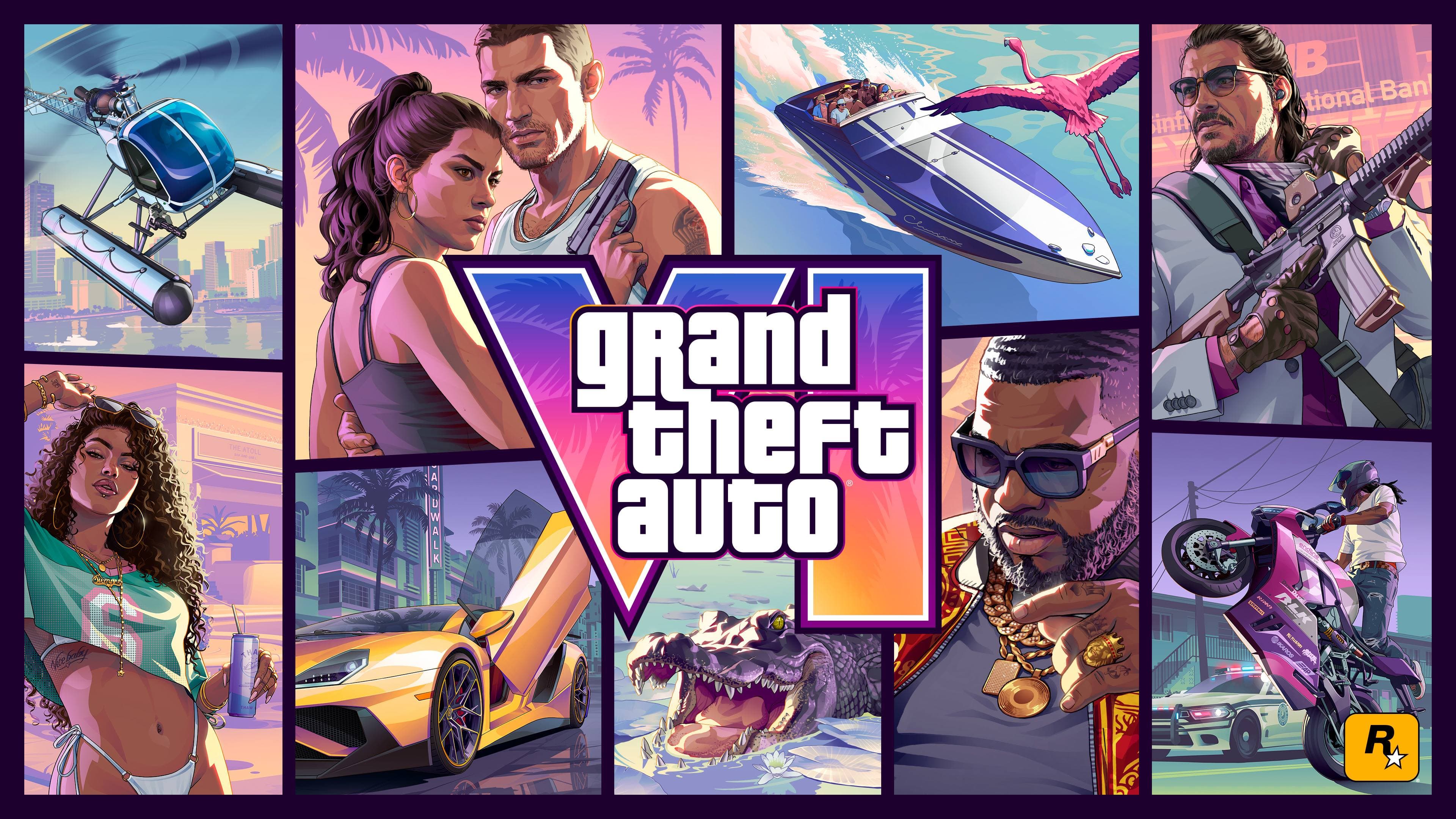
The week beginning June 28, 2026 may live on in infamy as the week when the game industry's preservation crisis reached a fever pitch.
It began when Rockstar revealed the physical version of GTA 6 would not include a disc, only a code inside a box. Independent retailers in Toronto and Delaware refused to carry it, while a Winnipeg shop launched a petition demanding a physical disc.
The following week, Sony announced it would cease physical PlayStation disc production in 2028 and shut down the PS3 and Vita stores the same year. The twin developments sparked calls that the industry's approach to preservation must change, as attempts to digitally preserve games in the long term face seemingly impossible odds.
"Downloading GTA 6 and hoping it runs in 50 years is not a solution," claimed the Video Game History Foundation (VGHF) in an official statement, as the non-profit preservation group continued its long-drawn campaign to persuade the Entertainment Software Association (ESA) that a regulatory change was required to allow museums to archive digital games.
"There are no workarounds here," said VGHF director Frank Cifaldi in an exclusive interview with GamesRadar+ last week. "We've worked with the ESA for years to convince them to change the US copyright law to allow museums and libraries to legally archive digital games, but their response so far has been stonewalling."
In a separate interview with VGC, Cifaldi noted the ESA's repeated lobbying against legislative changes to make digital copy protection more permissive for institutions attempting to preserve video games for posterity "is unacceptable."
"They refuse to offer a meaningful alternative," wrote Cifaldi on social media (via Bluesky) when Sony announced its plans to close its PlayStation stores in 2028. PC Gamer quoted him on its site in a post titled "They refuse to offer a meaningful alternative: Game preservation leader agrees that piracy is the only preservation option for a discless future."
A similar headline appeared on Windows Central with the subtext "Piracy is the only extant form of media preservation — Sony killing discs just proved video game historians correct," while Polygon noted the announcement had already spurred PS5 owners to embrace piracy as a means of preservation.
The situation in which companies like Sony and Rockstar find themselves is not helped by a growing recognition that a large percentage of games are at risk of being lost to time forever. According to the VGHF's 2023 'State of the Game Preservation' report, 87 percent of video games are "critically endangered," meaning they were not available at launch for preservation purposes and remain unavailable today.
It is no coincidence that this dire statistic appears just as the game industry begins its digital transition, exemplified by GTA 6 but set to accelerate throughout the coming years. While there are undoubtedly other factors at play, the fact remains that until recently, even games purchased on disc often required day-one patches to function correctly. While these patches frequently appeared on disc, they at least gave preservationists and libraries something to work with.
However, according to The Verge's senior correspondent Andrew Webster, "starting in 2028, every PlayStation game will come with an expiration date. When the PS5 digital storefront closes, hundreds of games will effectively be deleted from existence, including major titles and third-party exclusives." Meanwhile, the BBC highlighted the fact that online retailers selling physical copies of GTA 6 have already noted on their sites that the card inside the box is a one-time use code that will become invalid after being claimed.
GTA 6 is set to be the largest entertainment launch in history, and if Take-Two Interactive's CEO said in February that having the game launch exclusively digitally was "not the plan," it is fair to assume the publisher has no intention of making exclusive digitally distributed titles anytime soon.
As one game preservation expert noted in the GamesRadar+ article, "GTA 6 is only the tip of the iceberg. If the largest game publisher in the world cannot secure a physical copy of GTA 6, what are smaller indies supposed to do?"
What the VGHF is asking for is simple: the ESA and the game industry's other stakeholders to recognize museums', libraries', and universities' right to preserve video games, similar to how copyright law currently permits them to digitize and archive printed material, music, and film.
Until that happens, researchers attempting to document and protect the game industry's legacy will continue being forced to break the law, a point Cifaldi's recent comments to GamesRadar+ have once again brought to light.
The next few days and weeks are sure to see many outlets covering the fallout from GTA 6 going disc-less. But as the BBC also noted in its article on the VGHF's plight, this specific situation's significance is less about the disc itself and more about gamers at large feeling "a lack of trust that publishers will preserve access to games consumers have already paid for."
If industry stakeholders want to change that, they need to recognize an official preservation "workaround" is the best way forward. . Read our the hacker case here.